Cashpool - Android Application
An android application that let’s users create teams and pool money towards a common goal. This is a project where there was a specific focus on the needs of the end users - people living in decentralized homes. We analyzed the needs of the users in various ways and came up with a design in Figma that ultimately resulted in the creation of an android application. The application is not published, but is a fully functional prototype.
Background
This project was done as a part of my first-year thesis project at UPM. The end goal of the project was to successfully build an android application starting with an idea, validating both the UX and UI using the human-centered Design process. This project was done between March to May i.e. a period of 90 days.
I was a part of a small team of four people. All of us come from different backgrounds with one of us specializing in Programming and two others having experience in Industrial Design.
My responsibilities included the following:
Build a low fidelity prototype model for the web application.
Plan a flow for the application with the results.
Build the Android application ( we built it using JAVA).
Research Phase
Start off with Business Requirements, follow it up with idea validation.
Business Research
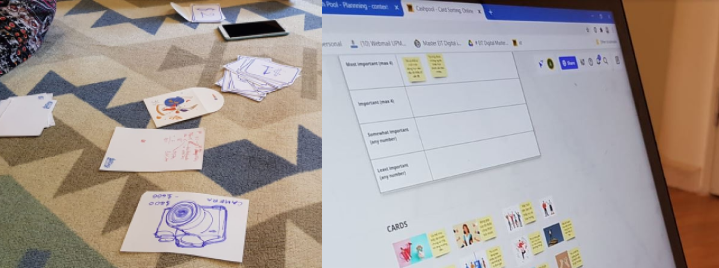
We had a focus group testing with two different user groups (teenagers and adults) to understand the requirements of the application. For this, we conducted a Card Sorting activity in two ways - Physically with manual cards and digitally with virtual cards using MIRO. This was done to get an idea about various features that should be incorporated into the application. We simulated a cash pooling activity towards various things amongst different people to get an idea. We conducted 17 Individual Interviews to understand individual needs and then followed it up with card sorting activities in groups of 6.
Key Findings
These can be classified into four different groups(of features) of importance:
1. Monetary benefits, Safety, Trust, Purpose and Effectiveness
2. Transparency
3. Freedom and Efficiency of Use
4. Engagement, Fun and Social Influence
User Research
This Phase includes User Profiling followed by the definition of Task Organization Models and the creation of User Journey Map(s).
User Profiles
We have two different user profiles with one difference in key values. While teenagers are more concerned about the Purpose, adults value Transparency the most.
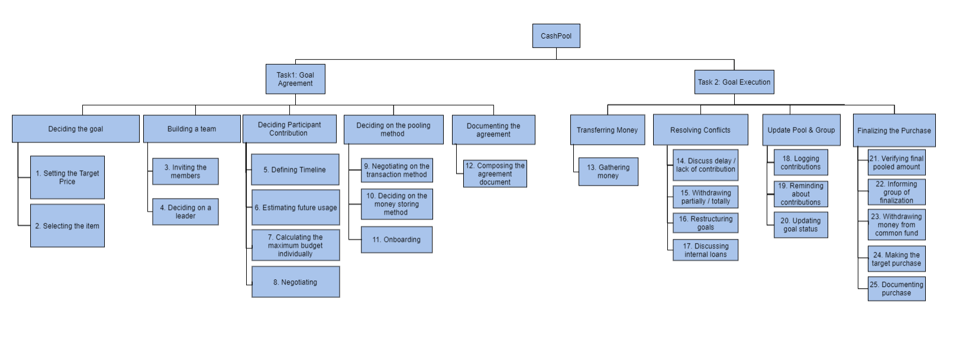
Task Organization Model
User Journey Maps

Ideate Phase
This Phase includes Sketching followed by LoFi Prototyping and HiFi Prototyping with usability testing after each prototype.
Sketching
We made some sketches of how we planned our game to look. The UX process of how the game is cycled through was also decided from this phase. We had two different sketches here: The mobile version and the Web version.

Lofi Prototype
We made two different prototypes here too. One for the mobile and one for the web. We used Balsamiq style hand-drawn elements in Figma for this task.

Hifi Prototype
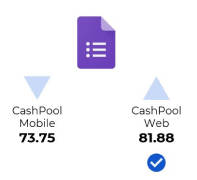
After the usability testing phase of both the LoFi prototypes, we concluded that users prefer to use the mobile version of the application. One interesting thing to note was even though the web version we designed was more usable, users specifically stated that they preferred to use the mobile version primarily due to the convenience of the mobile phone.
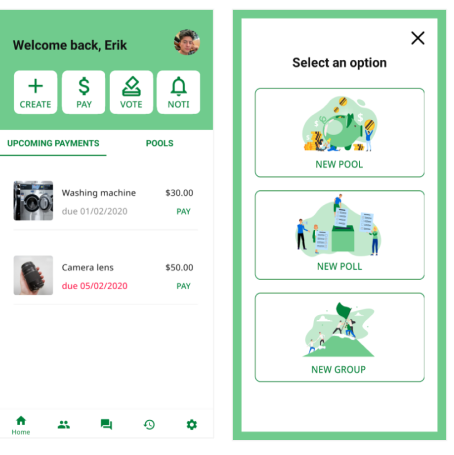
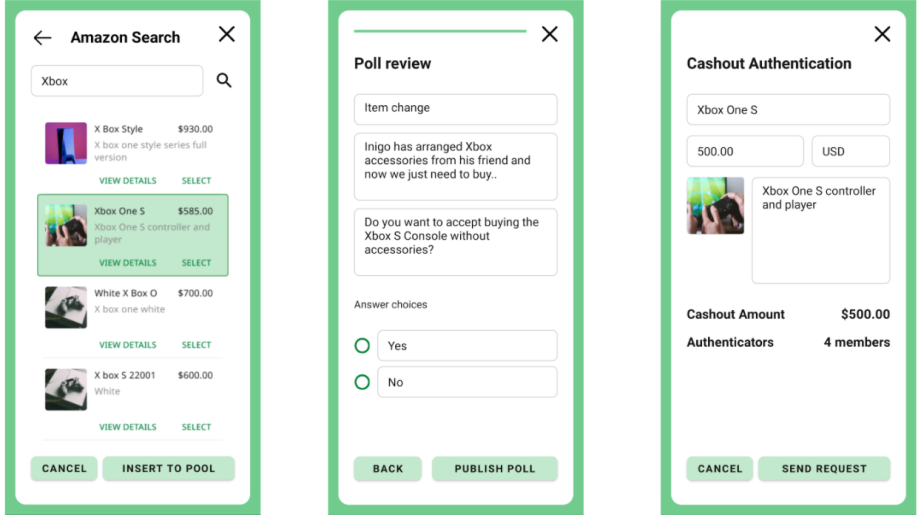
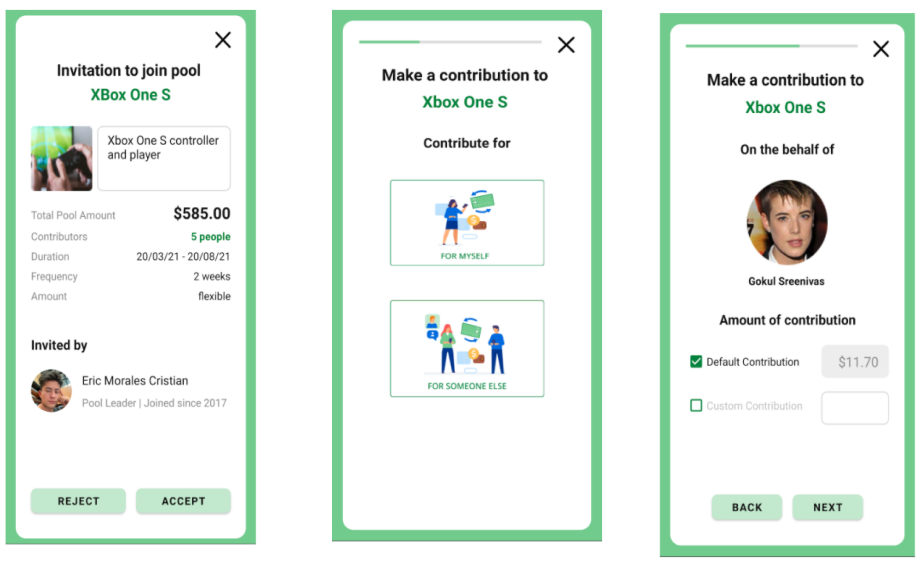
Screens designed in Figma for Hifi Prototype:
A demo of the Android application in action:
Conclusions
These are the final usability results of the application.
System Usability Scale (SUS):
Score: 84.38 Standard Deviation : 9.30
User Experience Questionnaire (UEQ):
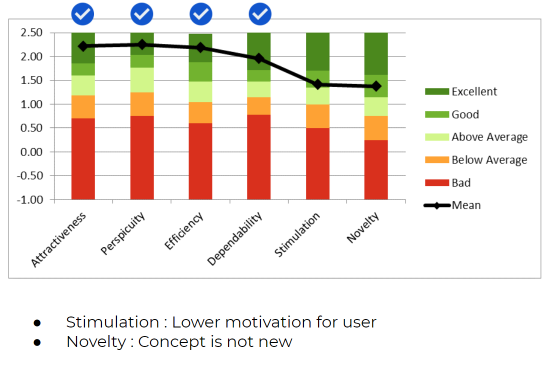
We received very positive results from the HiFi testing, which means that the design at the moment is good enough to be published and most people will be very happy to use this product. But, we identified some refinements that could further enhance their experience. We do not need to validate this further as the results of SUS and UEQ point towards a very pleasant experience.
Improvements
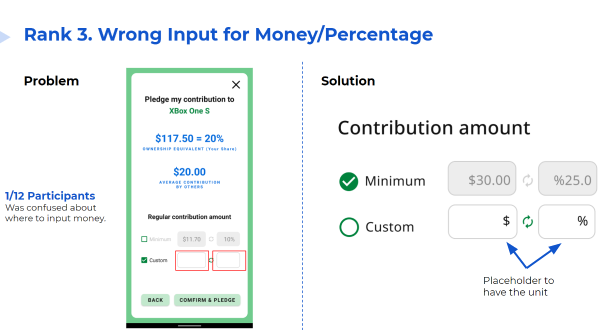
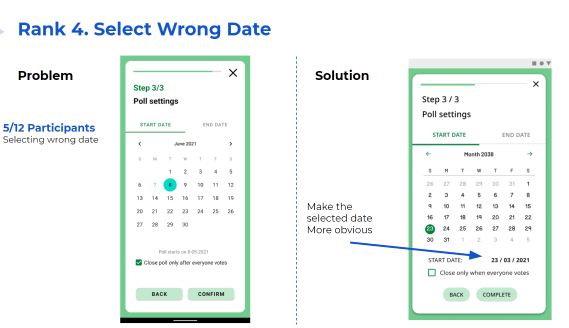
We have ranked the major problems and suggested solutions to mitigate them.



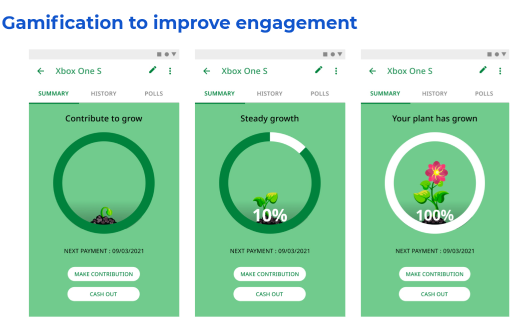
For Stimulation and Novelty issues, we have some gamification ideas